
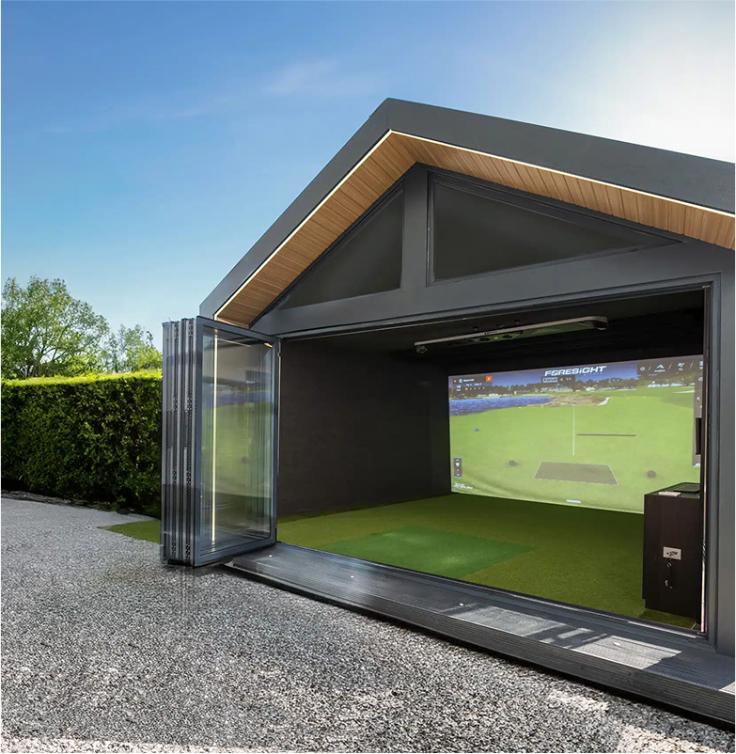
Short answer: yes, when they are done properly. Long answer: they add the right kind of value to the right kind of buyer, and that distinction matters more than most people realise.
A golf simulator room is no longer a novelty. It sits in the same category as home gyms, cinema rooms and garden offices. When designed well, it transforms underused space into something experiential, functional and aspirational. When done badly, it becomes an expensive room that future buyers struggle to repurpose.
The difference between those two outcomes comes down to design, integration and intent.
How Property Value Really Works
Property value is not just bricks and square footage. It is lifestyle, flexibility and perceived quality. Buyers pay a premium for homes that feel considered and future ready.
A professionally designed golf simulator room signals several things immediately. The property has been invested in. Space has been optimised. The home supports modern lifestyles rather than just traditional living.
For the right buyer, that translates directly into value. Not always as a line item on a valuation report, but very often in desirability, sale speed and final offer.
The Difference Between Cost and Value
Installing a golf simulator room is not cheap. High quality enclosures, impact screens, projectors, flooring and acoustic treatments all add up. But value is not about recouping every pound spent.
Value shows up in three places. Stronger buyer interest. Faster sales. Higher offers compared to similar homes without the feature.
In higher value properties, particularly those already positioned as premium homes, lifestyle features punch above their weight. A simulator room can be the differentiator that makes one property stand out in a crowded market.
Who Actually Values a Golf Simulator Room
This is not a universal upgrade. It appeals most strongly to a specific buyer profile.
Golfers obviously see the immediate benefit. But so do buyers who value home entertainment, multi use leisure spaces and technology driven upgrades.
Importantly, many buyers do not see a simulator room as fixed use. When designed properly, it reads as a flexible space that could also function as a cinema room, games room or studio.
That flexibility is critical to value retention.
When a Golf Simulator Room Adds the Most Value
Location and property type matter.
Detached homes, executive properties and high end renovations benefit most. These buyers already expect premium features and have the budget to maintain them.
Garage conversions, basement builds and garden rooms are particularly strong use cases. They create usable square footage without compromising core living areas.
In contrast, squeezing a simulator into a primary living space or bedroom often works against value rather than adding to it.
Design Is Everything
This is where many installations fail.
A simulator room that feels bolted on will limit appeal. One that is acoustically treated, visually refined and integrated into the home feels intentional.
Clean finishes. Neutral palettes. Concealed cabling. Proper lighting. These details matter far more than brand names or launch monitor specs when it comes to property value.
The goal is for the room to feel like part of the home, not a piece of equipment that happens to live there.
Does It Add Monetary Value on Paper?
Estate agents rarely assign a fixed number to lifestyle rooms. Instead, they adjust asking prices based on overall appeal and buyer demand.
In practice, well executed leisure rooms often contribute a modest uplift in valuation but a significant uplift in buyer interest.
That interest can translate into competitive offers, reduced negotiation pressure and quicker completion. In real terms, that is often more valuable than a theoretical percentage increase.
Rental and Short Term Let Appeal
For certain properties, especially high end rentals or holiday homes, a golf simulator room can materially increase rental value.
It creates a unique selling point that justifies premium pricing and higher occupancy. In markets where experiences drive bookings, that matters.
Future Proofing the Property
Homes that support hobbies, wellness and remote leisure are aligned with how people now live. Buyers increasingly look for spaces that reduce the need to leave the house to enjoy their interests.
A golf simulator room fits squarely into that trend. It signals a home built for enjoyment, not just occupation.
A golf simulator room adds value when it is treated as a design feature, not a gadget.
Done properly, it enhances lifestyle appeal, differentiates the property and attracts higher intent buyers. Done poorly, it becomes niche and restrictive.
The key is not whether a simulator room adds value. It is whether it has been designed to add value.
FAQs
Q: Do golf simulator rooms increase house prices?
They can, particularly in premium properties. More often, they increase buyer demand and saleability rather than adding a fixed valuation figure.
Q: Will a golf simulator room put off non golfers?
Not if the space is designed to be flexible. Rooms that can double as cinemas or games rooms retain broad appeal.
Q: Is a garage conversion suitable for a simulator room?
Yes. Garages are one of the most popular and effective locations when properly converted and insulated.
Q: Does removing a bedroom reduce value more than a simulator adds?
Usually yes. Sacrificing core living spaces is rarely advisable. Using underutilised areas delivers better outcomes.
Q: Are golf simulator rooms attractive to investors or landlords?
In high end rental or short stay markets, they can justify higher rents and improve occupancy.
Q: What makes a simulator room future proof?
Quality finishes, adaptable layouts and discreet installation. The room should work even if the simulator technology is updated or removed.
Q: Should a simulator room be disclosed in property listings?
Absolutely. It is a feature, not a footnote. When marketed correctly, it becomes a selling point rather than a curiosity.
If you are investing in a golf simulator room, think beyond today’s enjoyment. When design, flexibility and quality come together, it becomes a genuine asset rather than just a luxury.